US Halts Key mRNA Research Funding: A Critical Juncture for Future Cures and Pandemic Preparedness
In a move that has sent ripples of concern through the global scientific community, the United States Department of Health and Human Services (HHS) recently announced a significant scale-back in its support for mRNA technology research. This decision, impacting 22 crucial contracts primarily focused on infectious diseases, threatens to undermine America's leadership in a field that delivered life-saving solutions during the COVID-19 pandemic and holds unparalleled promise for treating a myriad of other ailments. The future trajectory of medical breakthroughs, from battling cancer to preparing for the next global health crisis, now hangs in the balance as experts warn of profound, long-lasting consequences.
The sudden termination of these projects represents a pivotal moment, raising urgent questions about the rationale behind such a drastic policy shift and its potential to hobble scientific progress. For a technology lauded for its speed, adaptability, and precision, the pullback is perceived by many as a self-inflicted wound, signaling a retreat from the very innovation that positioned the US at the forefront of biomedical advancement. As the world watches, the implications for future cures and our collective ability to respond to emerging pandemics loom large.
The Unfolding Crisis: HHS Cuts and Expert Concerns
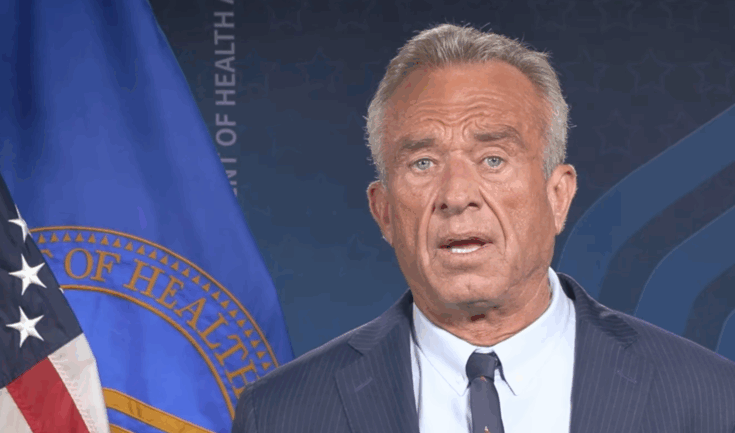
On August 5th, the HHS delivered a shockwave with its announcement to terminate 22 contracts. These agreements, many of which were focused on cutting-edge mRNA technology, included research into novel ways of administering vaccines, such as powdered inhaled forms and microneedle patches – innovations designed to enhance accessibility and ease of delivery. While some projects reportedly had already concluded or did not directly involve mRNA, the bulk of the cuts directly impact the country's capacity for developing advanced mRNA Technology's Lifesaving Potential Undermined by US Policy and therapeutics.
The response from academia and industry has been one of profound dismay and uncertainty. Experts are not merely voicing concern; they are issuing stark warnings. Elias Sayour, a pediatric oncologist at the University of Florida College of Medicine, articulated the overarching sentiment, stating that mRNA research aims to "improve human lives" and, if its promise is realized, could lead to "treatments, cures and therapies that improve outcomes across the life-span and across a number of diseases." Slowing this pace, he argues, directly stymies the progress towards tomorrow's cures.
This sentiment is echoed by mRNA biology researcher Jeff Coller of Johns Hopkins Medicine, who described the HHS announcement as "literally a shot across the bow." He interpreted it as a clear message to the entire industry: the United States is no longer going to support mRNA-based research and development. Such a strong signal risks a significant "chilling effect," deterring private investment and discouraging top scientific talent from pursuing critical breakthroughs within the US. The long-term impact could be a loss of institutional knowledge, a stagnation of research pipelines, and a compromised position in the global scientific race. For a deeper dive into the policy questions, read HHS Cuts mRNA Funding: Experts Question Rationale Amidst Global Race.
Beyond COVID-19: The Transformative Promise of mRNA Technology
While the world first became acutely aware of mRNA technology through its pivotal role in rapidly developing COVID-19 Mrna Vaccine, its potential extends far beyond infectious diseases. Scientists view mRNA as a versatile platform, capable of instructing the body's cells to produce virtually any protein, opening doors to highly targeted and personalized treatments across a vast spectrum of conditions. This adaptability is what makes the technology so revolutionary.
Consider the breadth of applications already showing incredible promise:
- Cancer Therapeutics: Personalized mRNA vaccines are being developed to train a patient's immune system to identify and destroy cancer cells, offering new hope for notoriously difficult-to-treat cancers like pancreatic cancer.
- Autoimmune Diseases: Researchers are exploring how mRNA can teach the immune system tolerance, potentially reprogramming it to stop attacking the body's own tissues.
- Rare Genetic Disorders: mRNA can be used to provide instructions for producing missing or defective proteins, as demonstrated in the remarkable case of baby KJ, an infant with a life-threatening genetic disorder who received a personalized mRNA medicine.
- Allergies and HIV: Early research is investigating mRNA's ability to desensitize individuals to allergens or stimulate potent immune responses against complex viruses like HIV.
Jeff Coller emphasizes that these "mRNA-based drugs that are coming out are lifesaving." He asserts that mRNA technology has brought scientists "closer than people think to curing diseases that have long defied treatment." The power of mRNA lies in its ability to harness the body's own machinery, offering a precision and speed previously unattainable. Halting research in this area means not just losing an edge in vaccine development, but potentially delaying or outright preventing cures for debilitating diseases that affect millions worldwide.
The Murky Rationale: Conflicting Statements and Unanswered Questions
Perhaps one of the most troubling aspects of the HHS decision is the lack of clear, consistent, and scientifically grounded justification. The Department has not publicly named all the programs being wound down, nor has it provided a comprehensive explanation for its actions when pressed. This opacity fosters distrust and makes it difficult for the scientific community and the public to understand the strategic thinking – or lack thereof – behind such impactful cuts.
Conflicting reasons have emerged from various officials. HHS Secretary Robert F. Kennedy Jr. and National Institutes of Health head Jay Bhattacharya have offered differing perspectives. Kennedy, for instance, has reportedly claimed that Mrna Vaccine were ineffective against COVID-19 and suggested other vaccine platforms would be safer. These claims stand in stark contrast to the overwhelming scientific consensus and real-world data demonstrating the significant efficacy and safety profile of mRNA COVID-19 vaccines in mitigating severe disease, hospitalization, and death.
The fact that some of the terminated projects reportedly didn't even involve mRNA technology, or had already concluded, further muddies the waters. This raises questions about the thoroughness and scientific integrity of the decision-making process. Without transparent, evidence-based rationales, the cuts appear arbitrary, undermining confidence in public health leadership and potentially creating a vacuum of uncertainty that impedes future research initiatives.
A Chilling Effect: Implications for US Innovation and Global Health Security
The withdrawal of US government support for mRNA research is more than just a reduction in funding; it's a strategic misstep with far-reaching implications for both domestic innovation and global health security. As Coller aptly put it, it sends a "clear message" that the US is stepping back. This message can have several detrimental effects:
- Brain Drain: Top researchers and scientists, seeing a lack of support, may seek opportunities in other nations that are actively investing in cutting-edge biotechnologies. This loss of intellectual capital could be irreversible.
- Loss of Global Leadership: While the US pulls back, countries like Germany, the UK, and China are aggressively investing in mRNA technology, recognizing its strategic importance. Ceding leadership in this critical field could diminish America's influence in global health policy, scientific collaboration, and even economic competitiveness.
- Compromised Pandemic Preparedness: The most immediate and alarming consequence is the degradation of the US's ability to rapidly develop and deploy countermeasures for future pandemics. mRNA's speed in vaccine development was unprecedented during COVID-19. Without sustained investment, the nation could be caught flat-footed when the next pathogen emerges.
- Reduced Private Investment: Government funding often acts as a catalyst for private sector investment. If the US government signals a lack of faith in mRNA, private companies may become hesitant to commit resources, slowing the translation of basic research into marketable therapies.
These cuts aren't just about dollars and cents; they are about foreclosing potential futures. The long-term costs of neglecting a foundational technology like mRNA, especially in a rapidly evolving global scientific landscape, could far outweigh any short-term savings.
Conclusion
The US decision to halt key mRNA research represents a critical juncture for the future of medicine and public health. At a time when mRNA technology is revealing its immense potential to deliver life-saving cures for a spectrum of diseases and bolster our defenses against future pandemics, a strategic retreat seems not only counterintuitive but potentially catastrophic. The scientific community's dismay is palpable, driven by a deep understanding of what is at stake: the acceleration of medical progress, the capacity for rapid pandemic response, and the US's standing as a leader in biomedical innovation. Transparent, science-backed policy is paramount to navigating this complex terrain. Without a clear and compelling rationale for these cuts, the US risks squandering a golden era of scientific opportunity and undermining its own health security for decades to come.